
Dry fruits are among the most trusted and widely traded food products in the world. They are nutritious, long-lasting, easy to transport and valued in almost every cuisine. Demand keeps rising across retail, hospitality, bakery, confectionery and health-food industries. For importers, wholesalers and food manufacturers, choosing a dependable dry fruits exporter is one of the most important sourcing decisions they will make. Quality, consistency, pricing and timely delivery all depend on the partner behind the product.
Apex Star Trading is one such export-focused company, supplying a range of dry fruits to international buyers. This guide explains how the dry fruit trade developed, what a professional dry fruits exporter actually does, which products are most in demand, and how to evaluate a supplier. It is written to help buyers make informed, confident decisions.
A Brief History of the Dry Fruit Trade
Drying fruit is one of the oldest food preservation methods known to humans. Long before refrigeration, communities in the Middle East, Central Asia and the Mediterranean dried dates, figs, grapes and apricots in the sun to keep them edible through winter months and long journeys. These foods were valuable enough to be carried along ancient trade routes such as the Silk Road, where merchants exchanged them for spices, textiles and metals.
Over the centuries, dry fruits moved from being a survival food to a symbol of hospitality and celebration. In many cultures they are still gifted during festivals, weddings and religious occasions. As global trade expanded, regions with suitable climates and farming traditions became known for specific products, such as almonds from California and the Mediterranean, dates from the Gulf region, walnuts from Central Asia and cashews from India and parts of Africa.
Today the trade is organised, regulated and highly competitive. Modern buyers expect traceability, grading standards, hygienic processing and proper export documentation. Companies like Apex Star Trading operate within this tradition, combining long-established sourcing knowledge with present-day quality expectations.
What Does a Dry Fruits Exporter Actually Do?
Many buyers assume a dry fruits exporter simply sells products from a warehouse. In reality, the role involves several connected responsibilities, and each one affects the quality of what arrives at your door.
The first responsibility is sourcing. A reliable exporter builds relationships with growers, processors and cooperatives, and selects produce according to crop quality, moisture level and harvest season. The second is grading and sorting, where products are separated by size, colour, texture and defects so that every shipment matches the agreed specification.
The third is packaging. Dry fruits are sensitive to moisture, heat and pests, so they need suitable packing such as food-grade bags, vacuum packs or cartons, depending on the destination and shelf-life needs. The fourth is documentation and compliance, which includes commercial invoices, packing lists, certificates of origin and any phytosanitary or quality certificates the importing country requires. The final responsibility is logistics, meaning coordinating transport, container loading and shipping schedules so goods reach the buyer on time and in good condition.
A trustworthy dry fruits exporter handles all of these steps with care, because a failure at any stage can lead to rejected shipments, financial loss and damaged business relationships.
Popular Types of Dry Fruits Exported
Global buyers usually source a mix of products. The most commonly traded categories are described below.
Almonds. Almonds are one of the highest-volume items in the dry fruit trade. They are sold in-shell, as kernels, blanched, sliced or slivered. Bakeries, chocolate makers and snack brands buy them in large quantities, and retail shoppers value them for their taste and versatility. Buyers typically look at size, uniformity and freshness.
Cashews. Cashew kernels are graded by size and colour, with whole white kernels generally commanding the highest prices. They are widely used in snacks, curries, desserts and plant-based dairy products. Because cashews can be affected by moisture and rancidity, proper storage and packing matter greatly.
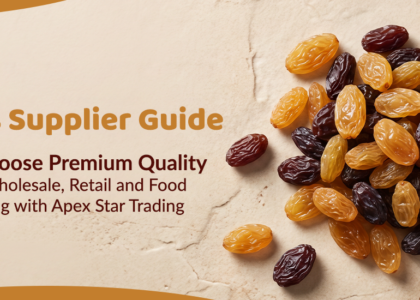
Raisins. Raisins are produced from dried grapes and come in several varieties and colours. They are a staple in baking, breakfast cereals, trail mixes and traditional sweets. Good raisins are plump, clean and free from stems and excess sugar crystallisation.
Dates. Dates are a major commodity in Middle Eastern and South Asian markets, and demand increases significantly around festive and fasting periods. Varieties differ in softness, sweetness and size, so buyers should match the variety to their target market.
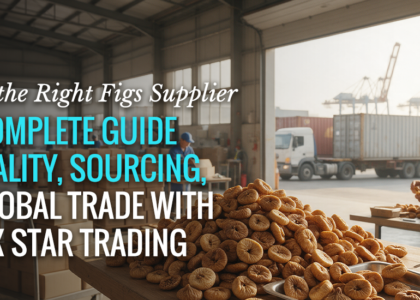
Walnuts, pistachios and figs. Walnuts are valued for their flavour and use in confectionery and bakery. Pistachios are popular as premium snacks and ingredients in desserts. Dried figs are appreciated for their natural sweetness and are used in both traditional and modern recipes.
Apex Star Trading works with a selection of these products, and a good dry fruits exporter will always explain the grades, origins and packing options available for each so that buyers can choose accurately.
Health and Nutritional Benefits of Dry Fruits
Part of the reason demand continues to grow is that dry fruits are widely recognised as a nutritious food choice. In general terms, nuts such as almonds, cashews and walnuts provide protein, dietary fibre and unsaturated fats. Dried fruits such as raisins, dates and figs provide natural sugars, fibre and minerals such as potassium and iron.
Dry fruits are also energy-dense, which is why they are popular as quick snacks for students, athletes and travellers. Their long shelf life makes them practical for households and for food-service operators who need ingredients that store well. As with any food, portion size matters, and individuals with specific medical conditions or allergies, particularly nut allergies, should seek advice from a qualified health professional. This information is general and is not a substitute for medical advice.
Common Uses Across Industries
Dry fruits are used far beyond the home kitchen. Understanding these uses helps buyers decide what to stock.
In the bakery and confectionery sector, almonds, raisins, cashews and dates are essential ingredients in cakes, cookies, chocolates, energy bars and traditional sweets. In the retail and gifting market, premium assortments and festive hampers rely on attractive presentation and consistent quality. In the food-service industry, hotels, restaurants and caterers use dry fruits in curries, rice dishes, desserts and garnishes.
Health-food and packaged-snack brands use them in muesli, granola, trail mixes and plant-based products. Ayurvedic and traditional wellness practices also include several dry fruits in recipes and tonics. Because these uses have different quality needs, a skilled dry fruits exporter will recommend the right grade for each application rather than offering a single option for everyone.
How to Evaluate a Reliable Dry Fruits Exporter
Experience shows that most sourcing problems can be avoided by asking the right questions early. Buyers should consider the following points before placing an order:
- Product quality and grading: ask for clear specifications, samples and details about size, moisture and defect tolerance.
- Documentation and compliance: confirm the supplier can provide the certificates and paperwork your country requires.
- Packaging and shelf life: check that the packing protects the product during long transit.
- Communication and transparency: a trustworthy supplier answers questions clearly, shares realistic timelines and does not overpromise.
- Consistency over time: a good partner delivers the same standard order after order, not just on the first shipment.
Requesting samples and starting with a trial order is a sensible way to verify these factors before committing to larger volumes. Any professional dry fruits exporter should welcome that process.
Why Choose Apex Star Trading?
Choosing a supplier is ultimately about trust, and trust is built through quality, honesty and reliability. Apex Star Trading focuses on these fundamentals in its export operations.
First, the company emphasises quality selection. Products are chosen with attention to freshness, grade and appearance, so buyers receive goods that meet the agreed specification. Second, Apex Star Trading supports a range of products, which lets importers consolidate their sourcing instead of working with several suppliers. This saves time, simplifies communication and can reduce shipping complexity.
Third, the company understands the needs of international buyers, including proper packaging, clear documentation and dependable shipping coordination. Fourth, it treats communication as part of the service. Buyers can discuss requirements, ask about grades and origins, and receive honest guidance on what suits their market. As a dry fruits exporter focused on long-term partnerships rather than one-time sales, Apex Star Trading aims to be a supplier that importers can return to with confidence.
For the most accurate and current information on available products, certifications and shipping terms, buyers are encouraged to visit the official Apex Star Trading website or contact the team directly.
Frequently Asked Questions
What should I check first when choosing a supplier?
Start with product specifications and samples. Quality, grading and moisture levels tell you more about a supplier than any promise does.
Can I order a mix of different dry fruits?
Many exporters, including Apex Star Trading, work with multiple product categories, so mixed orders can often be arranged. Confirm minimum order quantities and packing options in advance.
How should dry fruits be stored after delivery?
Keep them in a cool, dry place away from direct sunlight and strong odours, and use airtight containers once packs are opened.
Conclusion
The global dry fruit trade rests on centuries of tradition and is shaped today by modern standards of quality, safety and service. For buyers, the success of an import business depends heavily on the supplier behind the product. A knowledgeable dry fruits exporter does more than ship goods. It sources carefully, grades accurately, packs responsibly and communicates honestly.
If you are looking for a partner that values quality, transparency and long-term relationships, Apex Star Trading is worth considering. Begin with a conversation about your requirements, request samples, and build your sourcing plan around a dry fruits exporter that treats your success as part of its own.