
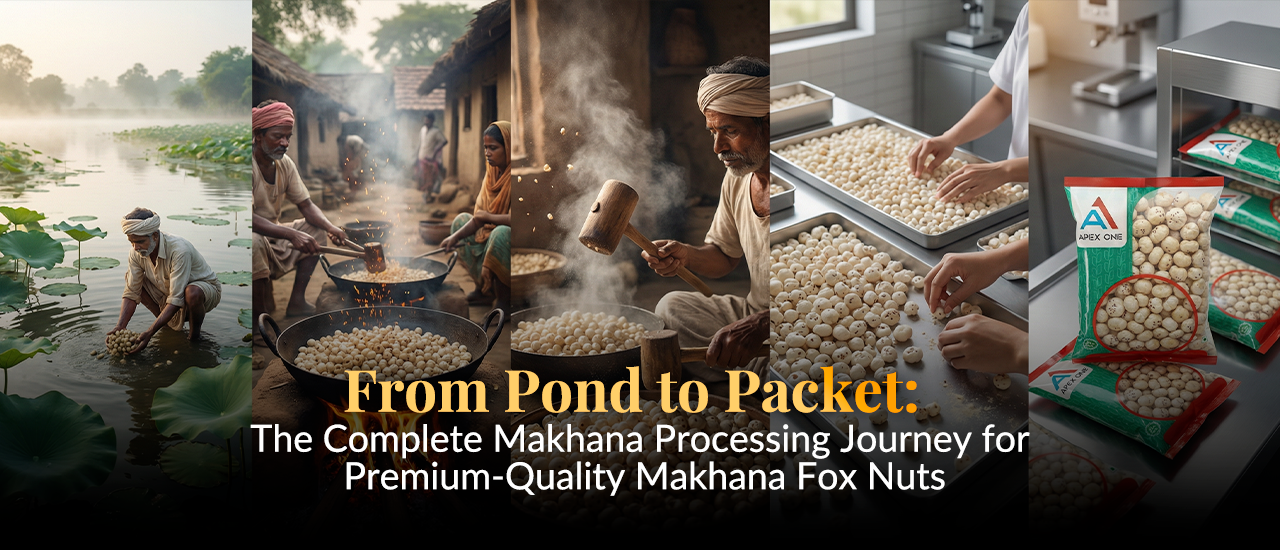
Makhana, popularly known as fox nuts or lotus seeds, has emerged as one of the most valued healthy snacks across the world. Known for its light texture, crunchy taste, and excellent nutritional profile, makhana has become a preferred choice for consumers who want natural and nutritious food options. While many people enjoy this superfood in roasted or flavored snack forms, very few understand the complex and traditional journey involved in transforming raw seeds from ponds into packaged makhana fox nuts available in markets.
The production of makhana involves multiple stages that require skilled labor, traditional knowledge, and strict quality control. From pond cultivation and harvesting to roasting, popping, grading, and packaging, each step plays an essential role in ensuring that the final product maintains its taste, texture, and nutritional value. The entire process demands patience and expertise because even minor mistakes in temperature control or handling can affect the final quality.
With the rising global demand for healthy snacks, the supply chain of makhana has also expanded significantly. Companies involved in agricultural sourcing and food trading help maintain product consistency and deliver high-quality products to international markets. Apex Star Trading is one such trusted name that focuses on sourcing and supplying premium agricultural commodities, including high-quality makhana fox nuts, ensuring reliable supply and superior standards for global buyers.
This blog explores the complete makhana processing journey in detail, explaining how raw seeds collected from ponds are carefully processed into the nutritious and crunchy snack that consumers enjoy today.
Understanding Makhana Fox Nuts and Their Agricultural Origin
Makhana is derived from the aquatic plant Euryale Ferox, which grows in freshwater ponds, wetlands, and slow-moving water bodies. The plant is characterized by large floating leaves and thorn-covered stems that grow across the water surface. Beneath the water, the plant produces seed pods that contain the raw seeds used to produce makhana fox nuts.
The cultivation of makhana is a specialized agricultural activity that requires a suitable climate, controlled water conditions, and proper seasonal management. Farmers traditionally cultivate makhana in natural ponds where the plant grows naturally, although in recent years controlled farming practices have also been introduced to improve yield and quality.
The seeds harvested from the plant are initially hard, black, and inedible in their raw form. Through a series of carefully executed processing stages, these seeds are transformed into the white, puffed kernels known as makhana fox nuts. The expertise required for this transformation has been developed through generations of traditional knowledge combined with modern quality control methods.
Organizations like Apex Star Trading play an important role in connecting farmers and processors with global markets, ensuring that premium agricultural products reach consumers while maintaining consistent quality standards.
Pond Preparation and Makhana Cultivation Process
The journey of makhana begins with proper pond preparation. Since the plant grows in aquatic environments, the quality of water and soil at the pond bottom plays a crucial role in determining the final yield and seed quality.
Farmers first prepare the pond by removing unwanted aquatic plants and ensuring that the soil contains sufficient nutrients. The water level must be carefully maintained because excessive or insufficient water depth can negatively impact plant growth.
Several important factors influence successful makhana cultivation:
- Freshwater ponds with stable water levels
- Nutrient-rich soil that supports plant growth
- Adequate sunlight exposure for healthy leaf development
- Controlled water depth to allow seed formation
- Seasonal timing aligned with the natural growth cycle
Once the plants grow and spread across the pond surface, they begin producing flowers and seed pods. The seeds develop underwater and eventually mature, falling to the pond bed where they remain until harvesting begins.
Proper cultivation practices ensure that the harvested seeds are suitable for producing high-quality makhana fox nuts during the later processing stages.
Harvesting: The Most Labor-Intensive Stage
Harvesting makhana seeds is one of the most physically demanding stages in the entire production process. Since the seeds settle at the bottom of the pond after maturing, farmers must dive underwater to collect them manually.
This process requires skilled divers who can identify mature seeds and gather them efficiently without damaging them. The seeds are collected in baskets or nets and brought to the pond surface before being transported to processing areas.
The harvesting stage is critical because the maturity level of the seeds directly influences the quality of the final makhana fox nuts. Seeds that are immature may not pop properly during processing, while over-mature seeds may lose their internal structure.
Key challenges involved in harvesting include:
- Underwater collection of seeds from muddy pond beds
- Identifying mature seeds among plant residues
- Preventing seed damage during collection
- Maintaining hygiene during transportation
After harvesting, the seeds are cleaned and prepared for the next stages of drying and processing.
Primary Cleaning and Sun Drying
Immediately after harvesting, the seeds contain moisture, mud, and plant residues. Therefore, the first step in processing involves cleaning and drying.
The seeds are washed to remove impurities and then spread under sunlight for natural drying. Sun drying is an essential stage because it reduces moisture content and prepares the seeds for roasting.
During drying, workers regularly turn the seeds to ensure uniform exposure to sunlight. Proper drying helps prevent fungal growth and improves the durability of the seeds for further processing.
Benefits of the drying process include:
- Reduction of moisture content
- Improved seed preservation
- Preparation for heat treatment
- Prevention of microbial contamination
Once the seeds are fully dried, they become hard and stable, making them ready for roasting and further processing into makhana fox nuts.
Companies like Apex Star Trading emphasize strict quality monitoring during these early stages to ensure that only the best raw seeds move forward in the processing chain.
First Roasting Stage: Preparing Seeds for Expansion
Roasting is one of the most technically important steps in makhana processing. The dried seeds are heated in large iron pans at controlled temperatures. This heating softens the inner kernel and prepares the seeds for the popping stage.
The roasting process must be performed carefully because the temperature directly affects the expansion ability of the seeds. Skilled workers continuously stir the seeds to ensure uniform heating.
Important objectives of the roasting stage include:
- Softening the internal kernel
- Reducing residual moisture
- Preparing the seed structure for popping
- Enhancing the flavor of the final product
If roasting is performed correctly, the seeds become ready for the traditional popping process that transforms them into makhana fox nuts.
Traditional Popping Technique
After roasting, the seeds undergo the popping process. This is the stage where the transformation into edible makhana occurs.
Workers place the roasted seeds on a hard surface and strike them using wooden hammers. The impact breaks the outer shell and causes the kernel inside to expand into a white, fluffy form.
The popping technique requires years of experience because the timing and force must be perfectly controlled. Improper handling can damage the kernel or prevent it from expanding properly.
The result of this process is the familiar puffed structure of makhana fox nuts, which are then ready for sorting and grading.
Grading and Sorting Based on Quality
Once the popping process is completed, the makhana is sorted according to size, shape, color, and overall quality. This grading system helps maintain product consistency and allows buyers to select specific grades based on their requirements.
Common types of makhana grading include:
- Premium large-size makhana
- Medium-size makhana
- Small-size makhana
- Broken or irregular pieces
Premium-grade makhana fox nuts are typically used for export markets and high-quality snack products. Proper grading ensures that consumers receive visually appealing and uniform products.
Companies such as Apex Star Trading maintain strict grading standards to ensure that international buyers receive reliable and consistent product quality.
Hygienic Packaging and Storage
Packaging is the final stage in the makhana processing chain. Proper packaging helps protect the product from moisture, contamination, and damage during transportation.
Modern packaging methods are designed to preserve freshness and maintain the crunchy texture of makhana fox nuts.
Important packaging features include the following:
- Airtight packaging materials
- Moisture-resistant sealing
- Hygienic handling procedures
- Proper labeling and traceability
Proper storage conditions are also essential. Makhana must be stored in cool and dry environments to prevent moisture absorption and maintain product quality.
Organizations like Apex Star Trading focus on high packaging standards to ensure that makhana fox nuts reach global markets in excellent condition.
Nutritional Value of Makhana Fox Nuts
Makhana is widely recognized for its impressive nutritional benefits. It is considered a healthy snack that supports balanced diets and overall well-being.
Some important nutritional components include:
- High-quality plant protein
- Dietary fiber for digestion
- Low fat content
- Magnesium and potassium for heart health
- Antioxidants that support immunity
Because of these benefits, makhana fox nuts are often recommended as a healthy alternative to fried snacks and processed foods.
Culinary Uses of Makhana
Makhana is a versatile ingredient that can be used in a wide variety of dishes. Its mild flavor allows it to blend well with different types of seasonings and cooking styles.
Popular uses include:
- Roasted snack with spices
- Ingredients in traditional desserts such as kheer
- Additions to curries and gravies
- Healthy snack mixes
- Diet-friendly evening snacks
Food manufacturers also use makhana fox nuts in flavored snack products such as cheese, masala, caramel, and chocolate-coated varieties.
Companies like Apex Star Trading help supply high-quality makhana to food manufacturers and retailers who are expanding their product lines with healthier snack options.
Growing Global Demand for Makhana
In recent years, the demand for natural superfoods has increased worldwide. Consumers are becoming more conscious of nutrition and actively seeking healthier snack alternatives.
This trend has contributed to the rising global demand for makhana fox nuts. The product is now widely exported to many countries where it is marketed as a premium healthy snack.
Several factors driving market growth include:
- Increasing awareness of healthy eating habits
- Rising demand for plant-based snacks
- Expansion of international food trade
- Growing popularity of traditional superfoods
Reliable suppliers such as Apex Star Trading play an essential role in meeting this demand by maintaining consistent supply chains and high-quality standards.
Why Choose Apex Star Trading
Choosing the right supplier is essential for businesses involved in food distribution and retail. Apex Star Trading has developed a reputation for delivering high-quality agricultural products to global markets.
Some key advantages include:
- Strong sourcing network with trusted producers
- Commitment to consistent product quality
- Professional packaging and handling processes
- Reliable global export capabilities
- Focus on customer satisfaction and long-term partnerships
By working closely with farmers and processors, Apex Star Trading ensures that buyers receive premium-grade makhana fox nuts that meet international quality requirements.
Conclusion
The journey of makhana from pond cultivation to packaged snack products is a remarkable process that combines traditional knowledge with modern quality practices. Each stage—from pond preparation and harvesting to roasting, popping, grading, and packaging—plays a vital role in producing the crunchy and nutritious snack enjoyed by millions of consumers.
The increasing popularity of makhana fox nuts reflects the global shift toward healthier food choices. As demand continues to grow, efficient processing methods and reliable supply chains become even more important.
Companies like Apex Star Trading contribute significantly to the global makhana industry by ensuring quality sourcing, professional processing support, and reliable distribution. Through their commitment to excellence, consumers around the world can enjoy high-quality makhana fox nuts that deliver both taste and nutrition.